HOGA Nürnberg
Trade fair for hotel, restaurant and catering
January 17–19, 2027 – Messe Nürnberg
The 34th HOGA Nürnberg – a success story
Since its debut in 1950, this Southern German trade fair for the hotel, restaurant, and commercial kitchen sectors has been on a successful trajectory. When Germany’s third-largest trade fair for the hospitality industry opens its doors from January 17 to 19, 2027, the organizer—AFAG Messen und Ausstellungen—will be able to look back on a long history of success, as this marks the 34th edition of HOGA (held on a biennial basis).
For the organizer and the Bavarian Hotel and Restaurant Association (DEHOGA Bayern e.V.)—the event’s professional partner—the 34th HOGA offers an opportunity to reflect on the fair’s origins and outline its ongoing development.
For Angela Inselkammer, President of the Bavarian Hotel and Restaurant Association (DEHOGA Bayern e.V.), HOGA Nürnberg is the "central platform for industry, SMEs, and entrepreneurs in the Southern German hospitality sector! It is where the key players shaping our industry meet to discuss trends, challenges, and the future. HOGA offers you the chance to gain the knowledge and inspiration needed to remain competitive and successful."
Save your tickets now!
The HOGA success story begins in April 1950
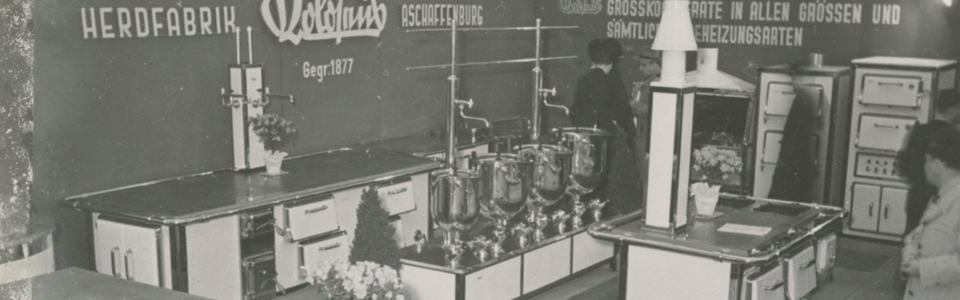
The "1st South German Trade Fair for Hotels, Restaurants, and Confectioneries" was organized in 1950 by the Bavarian State Association of the Hotel and Restaurant Industry, in cooperation with the Bavarian Hoteliers' Association, the Bavarian State Association of Confectioners, and the trade fair organizer AFAG (then known as *Arbeitsgemeinschaft für Ausstellungen GmbH*).
AFAG managing directors Heiko and Hermann Könicke take pride in the fact that HOGA Nürnberg has experienced such rapid growth over the past 65 years and is now one of Germany's three leading trade fairs for the hospitality industry. Their father, Helmuth Könicke Sr., served as the trade fair director for the inaugural 1950 event, which was held at the former Nazi Party Rally Grounds near Nuremberg’s Dutzendteich lake—an area now known as the *Volksfestplatz* (fairground). Exhibitors showcased their products inside the heritage-listed Congress Hall and on a portion of the outdoor grounds. To this day, the Congress Hall serves as a reminder of the dark chapters of Nuremberg’s history and stands as the largest surviving monumental National Socialist structure in Germany.
The second hospitality trade fair was already held in the then-new exhibition halls in northern Nuremberg, not far from the city park. That location had already hosted Nuremberg’s largest and most important trade fair—the International Toy Fair—starting in 1950.
From the very beginning, the organizers focused on a vibrant image of the industry.
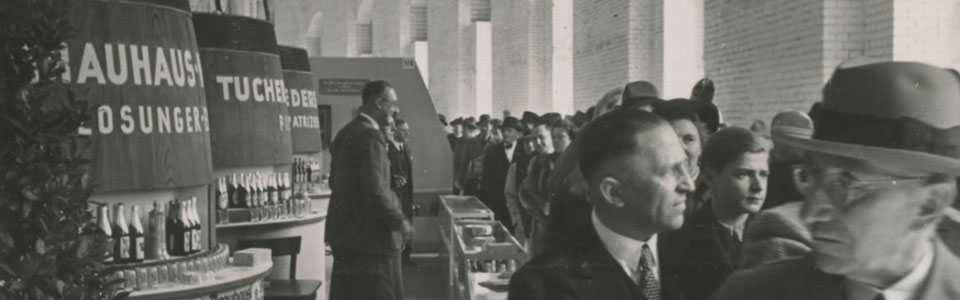
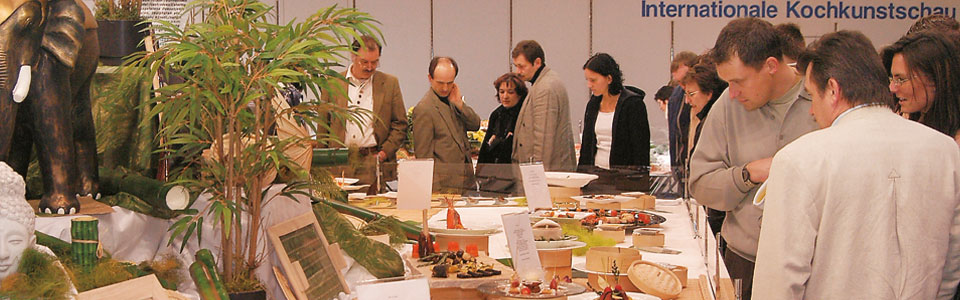
Beyond the exhibitors' commercial offerings, non-commercial features and the active involvement of hospitality professions played a key role in the trade fair's concept as early as 1950. In this regard, HOGA was a pioneer: a major culinary arts and pastry exhibition was already a highlight, while the special "The Laid Table" (*Der gedeckte Tisch*) display showcased examples of perfectly set and creatively arranged dining tables. Both presentations attracted great interest among trade visitors, serving as impressive showcases of the skills possessed by kitchen and service professionals. These display areas remained a fixture of the Nuremberg hospitality trade fair in subsequent years—and, in some cases, continue to be so today. In recent years, the fair has increasingly focused on the next generation of professionals, receiving active support from Nuremberg Vocational School 3, the Bavarian Hotel and Restaurant Association (DEHOGA Bayern e.V.), and the VSR in organizing competitions for young chefs and hospitality staff.
Even at the fair's debut, the non-commercial presentations—which highlighted the cultural-historical and economic significance of the hospitality industry, as well as vocational training and tourism—garnered considerable attention. These special exhibition areas explored topics such as the origins of gastronomy and displayed historical engravings of the first commercial inns. These establishments had evolved from taverns (drinking houses) during the 13th and 14th centuries alongside the growth of cities. From the 16th century onwards, the hospitality trade expanded further, driven by the growing prosperity of the rising middle class and the increase in travel. The displays also illustrated the historical post-house (*Posthalterei*) as a precursor to the modern hotel. At the beginning of the 19th century, the continued expansion of the transport sector accelerated development in the hospitality industry, thereby also giving a boost to the Bavarian gastronomy trade fair.
The Issue of Taxation
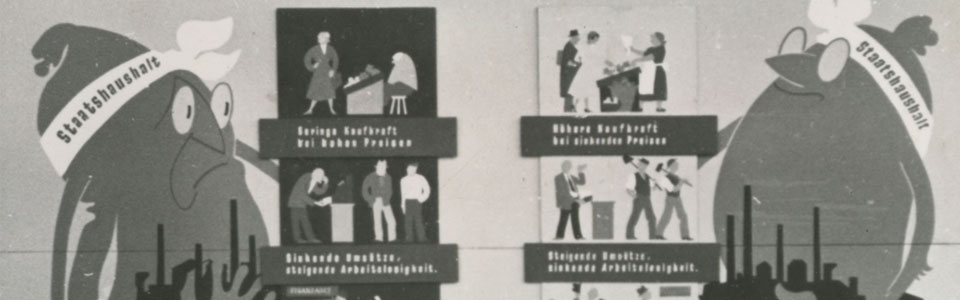
It is noteworthy that as early as 1950, the first Bavarian hospitality trade fair addressed the issue of taxation—a topic that continues to concern the industry today. Display panels revealed that, at the time, the hospitality sector was burdened by more than 50 different taxes; in a single year, the industry in Bavaria had to remit 80.5 million marks in beer taxes alone—an amount exceeding the annual turnover of the Bavarian metal industry.
Loyal HOGA exhibitors: Some were already there in 1950.
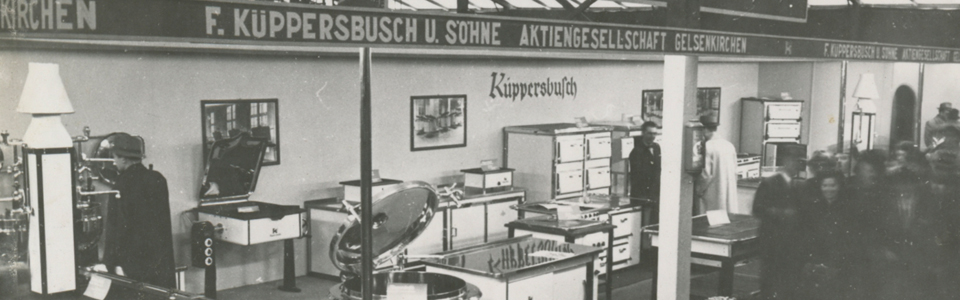
The majority of exhibitors have remained loyal to HOGA for many years. Several renowned companies exhibited at the very first trade fair in 1950—including Alexanderwerk, Coca-Cola, Evenord, Küppersbusch, Mühldorfer Bettenhaus, Palux, Stahl Waschmaschinenfabrik, VAU Vereinigte Herd- und Ofenfabriken, and Wamsler, to name but a few.
HOGA Through the Ages
The subsequent development of HOGA was shaped by numerous factors. In the 1960s, the German "economic miracle" and the growing importance of tourism had a positive impact on the hospitality industry; the booming economy ensured full employment, and an increasing number of people could afford to travel and dine out. The influx of guest workers into Germany gradually fostered a multicultural culinary landscape, while the rising significance of the trade fair and convention sector marked another key milestone for the hotel and restaurant industries—and for HOGA Nürnberg.
Although the trade fair was initially held every four years, the schedule later shifted to a biennial cycle, as the event served industry professionals not only as a forum for information and innovation but, above all, as a vital marketplace for placing orders. Demand was high: new restaurants and hotels were springing up everywhere, people could afford to travel, and the expansion of the motorway network made it possible to reach more distant destinations more quickly.
The new exhibition center in Nuremberg-Langwasser gave HOGA a major boost starting in 1973.
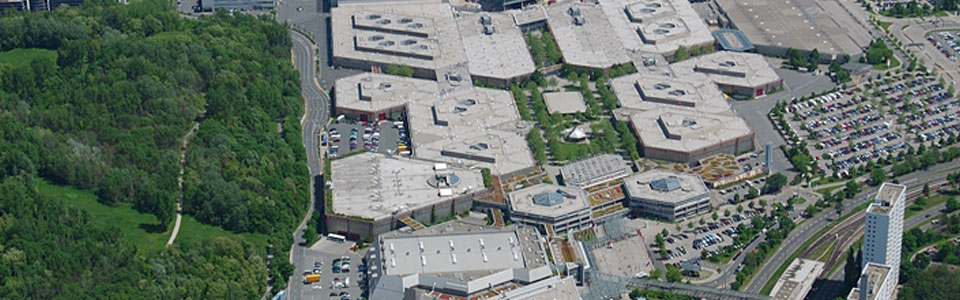
Another milestone in HOGA’s history was the move to the newly constructed exhibition center in Nuremberg-Langwasser. The Nuremberg City Council had decided to build this new facility in 1970 after the Toy Fair had outgrown its previous location. The new exhibition center was inaugurated in 1973 with the Toy Fair, and HOGA followed shortly thereafter as the second trade fair to be held there.
The new exhibition grounds, featuring infrastructure perfectly suited to visitors and exhibitors, laid the foundation for HOGA’s continued growth. HOGA saw a significant rise in exhibitor and visitor numbers—particularly between the 1970s and 1990s—attracting over 40,000 visitors in peak years. Excellent transport links to the motorway network in all directions proved highly advantageous for the event. Ample parking near the exhibition halls, the construction of the Nuremberg U-Bahn (subway), and the later addition of a dedicated U-Bahn station at the exhibition center—connecting it to the central railway station and the airport—remain compelling arguments for the Nuremberg exhibition venue today. Thanks to the expansion of motorways and improved accessibility, HOGA was able to extend its catchment area into Baden-Württemberg and Hesse; following the fall of the Berlin Wall in 1989, it also began attracting new visitors from Saxony and Thuringia.
Following the post-reunification boom, the economy slumped in 1993, and unemployment rose to an unprecedented three million. The collapse of major corporations and rising unemployment figures led to a marked reluctance among the public to spend. The hospitality industry, alongside the retail and automotive sectors, felt the impact of these developments. Despite these challenging conditions, HOGA stayed on track, and the high level of interest from exhibitors and visitors during those difficult years once again underscored the importance of the Nuremberg trade fair.
The German economic engine is now running smoothly again. There is positive news from the German trade fair and congress sector, and private consumption is flourishing; thanks to low interest rates, people are favoring tangible assets and spending their savings on travel, wellness, fitness, and fine dining. There are, therefore, plenty of reasons for the hospitality industry to look to the future with optimism once more.
FOOD SPECIAL – An asset to the hospitality and catering industry
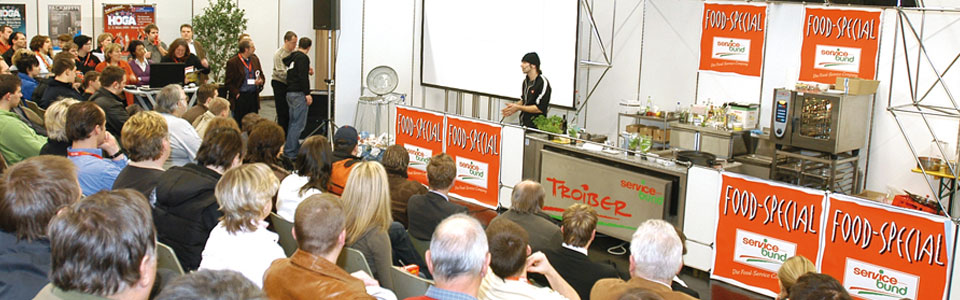
The first FOOD SPECIAL in 1999 marked another milestone in the history of HOGA. Organized by Servicebund as a "trade fair within a trade fair," FOOD SPECIAL sees over 100 renowned exhibitors showcase the latest food trends and new products. As part of the supporting program, top chefs offer insights into product applications in the show kitchen, demonstrating how to create delicious dishes from them. The tremendous turnout of trade visitors and consistently positive feedback attest to the success of the FOOD SPECIAL concept, which will remain a part of HOGA in 2027.
HOGA looks to the future
The high proportion of trade visitors and decision-makers from all sectors of the hospitality industry underscores HOGA’s professional standing. The trade fair’s business-focused offerings are complemented by attractive competitions, live demonstrations, themed areas, and special events, all of which actively involve professionals from across the hospitality sector. This comprehensive package contributes significantly to the unique atmosphere and welcoming, personal feel of HOGA Nürnberg.
In recent years, the HOGA organizers have successfully brought additional partners on board. These include BÄKO, which uses its exhibition stand to provide information on the diverse opportunities for cooperation between bakeries, the foodservice sector, and the hotel industry. Furthermore, key hospitality industry partners such as METRO and EDEKA also maintain a strong presence at the fair. A particular priority for the organizers was to include butcher shops and the butchery trade as a target audience. This goal was achieved in 2015 through the participation of Evenord eG—a company that had previously exhibited at the fair as early as 1950 and whose cash-and-carry stores are tailored to their customers' specific needs.